

Good to Know
Lhotse Expedition
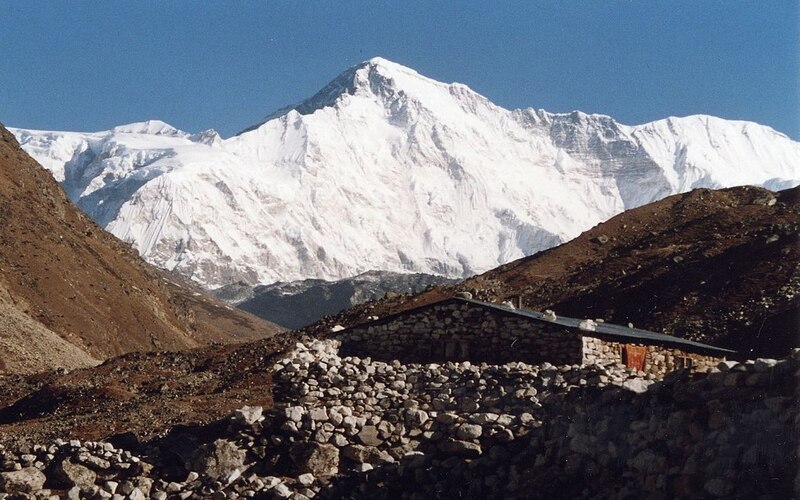
Mt. Lhotse is a wide-faced giant 8516m high located towards the South of the world’s highest peak, Mt. Everest. Situated at the border of Tibet and Nepal, its name means “the South Peak” in the Tibetan language. Regardless of its proximity and convergence with Mt. Everest, Mt. Lhotse stands proud with its own identity as the fourth highest mountain after Everest, K2, and Kanchenjunga. The broad face giant peak has two more sub-peaks under it, namely Lhotse Shar (8383 m) and Lhotse East (8414 m). These peaks place an opportunity to test your endurance and mountaineering skills with the bonus of adventure and thrill.
Climbing Lhotse requires a great level of physical fitness and mountaineering skills along with an experience of climbing a 7000 m peak. The Western Flank also called the Lhotse Face is wide and broad, rising at 40 to 50-degree pitches making it challenging for climbers. In addition, the climbers must climb through the 1,125m high wall of blue ice to summit Mt. Lhotse. However, the fixed ropes throughout the route will help you conquer the challenge. The route to Mt. Lhotse follows the same trail as Everest up to Yellow Band. From that divergent point, the climbers to the Lhotse take right up to the Lhotse Face while the climbers of Everest take the left, over the Geneva Spur.
Itinerary
Not satisfied with this regular itinerary? Make your own.
Inclusions
Includes
- Arrival and departure transfer services to Domestic flight as per itinerary.
- Assistance at the International airport by White Himalayan Adventure Treks team while arriving and departing in Kathmandu.
- Tourist standard category hotel accommodation as per itinerary in Kathmandu on B/B plan,twin sharing basis. (Private room accommodation can be organized at an extra cost)
- One Experienced, Trained, Government Licensed climbing guide with required number of assistant guide and other staff.
- Schedule Flight Tickets for Ramechhap-Lukla-Ramechhap( or Kathmandu-Lukla-Kathmandu) sector to all climbing members, Sherpa guide, liaison officer and other staffs.
- Per person 15 Kg(2 pieces) domestic flight luggage charge .
- All trekking and mountaineering equipment like; kitchen tent, store tent, dining tents, toilet tents, tables, chairs, and cooking utensils for advance Base Camp and camp two.
- Common climbing equipment (necessary fixed and main rope, ice bars, ice screws, snow bar etc)
- Services of cook and kitchen boy at Base Camp and cook at Camp 2
- 3 meals a day (Breakfasts, Lunch, and Dinners with tea/ coffee) in available tea house/hotel/lodge during the trekking
- 3 fresh meals a day (Breakfasts, Lunch, and Dinners) will be served at base camp, and camp two.
- All food and fuel for Base Camp and higher camps during the expedition for both members and crews.
- Per person 60kg baggage allowance during trekking-up carrying by porter or Yak to climbing the Base Camp
- Daily Weather Report Services from Seattle based
- Trekking Permit (Everest National Park entry fee)
- TIMS card (Trekking Information Management System).
- Expedition Royalty and climbing permit of Nepal Government to climb Lhoste
- Nepalese Government Royalty and fees;
- All wages, equipment, medical and accidental Insurances for all involved staffs in trekking and expedition.
- Equipment allowances and wages for Climbing Sherpa and other staff.
- Equipment allowances and wages for Government Liaison Officer.
- First Aid medical kits for the Group and the staffs.
- Appropriate food for high altitude and all climbing crew at base camp and above as required.
- Required fixed and dynamic rope during the climbing period.
- All tents for camp 1, 2, 3, and 4 for members and staff.
- Icefall charges by Sagarmatha Pollution Control Committee.
Excludes
- Lunch and Dinner during your stay in Kathmandu (except for the farewell dinner)
- snacks, aerated drinks, energy drinks, mineral water, alcohol, cigarettes, chocolates, nutria-bars during the trekking.
- Items of personal nature, Laundry Expenses, Tips.
- Any extra expenses arising out of various/unforeseen situations like natural calamities, landslides, political disturbances, strikes, changes in Government regulations, etc.
- Extra transportation then displays in the itinerary program.
- Any additional staff other than specified.
- Rescue, Repatriation, Medicines, Medical Tests, and Hospitalization expenses.
- Medical Insurance and emergency rescue evacuation if required.
- Travel Insurance and helicopter rescue.
- Wallie-talkies & Filming permit (if the special camera or walkies-talkies).
- Personal climbing gears;
- Clothing, Packing Items or Bags, Personal Medical Kit, Camera/Video Fees or Trekking Gears
- Nepal custom duty for import of expedition goods.
- Summit bonus for climbing Sherpa Guides as per Mountaineering Association rules. Minimum US$ 1500.00 per climbing Sherpa guide.
- Tips and gifts for base camp and high altitude trekking and climbing staff are mandatory.
- Airfare of international flights.
- Nepal entry visa fee (Visa issuance on arrival in Kathmandu)
- Any extra services or products or offers or activities which are not mentioned in the itinerary.
Gallery
Map
Reviews
Related Trips And Packages




We're certified


Subscribe Newsletter
Join our subscriber's list to get latest news, updates and special offers, delivered directly in your inbox.